
Kremstal DAC Reserve

Reife, duftige, glockenklare Nase, schöner mineralischer Biss, spannendes Extrakt-Säurespiel im druckvollem Abgang. Hochreifes Riesling-Elexier mit großer Reifespanne.
Ausbau: Die physiologisch vollreifen Trauben werden Ende Oktober – Anfang November in mehreren Durchgängen per Hand gelesen, ein Teil der Trauben wirdgerebelt und für 10 – 12 Stunden auf der Maische belassen (Maischestandzeit). Die langsame Vergärung in Edelstahl fördert die Aromaintensität. Die kargen Paragneisterrassen verleihen den Wein eine straffe, fordernde Säure und den Hang zur Größe. Nach der Gärung, langes Reifen auf der Hefe bis zur Abfüllung Ende August.


Kremstal DAC Reserve
Ein kompakter und dichter, beinahe introvertierter Wein aus perfekten Trauben. Ohne Schnörkel und Eile für Genießer ausgebaut, die gerne vinologische Trampelpfade hinter sich lassen
Ausbau: Die physiologisch vollreifen Trauben werden Ende Oktober – Anfang November in mehreren Durchgängen per Hand gelesen, ein Teil der Trauben wird gerebelt und für 10 – 12 Stunden auf der Maische belassen (Maischestandzeit). Die langsame Vergärung mit Traubeneigenen Hefen in Edelstahl fördert die Komplexität. Bronzit, Marmor, Paragneis & Amphibolitgestein verleihen den Wein seine große Vielfalt und Individualität. Nach der Gärung, langes Reifen auf der Hefe im großen Holzfass bis zur Abfüllung Ende August.
Auszeichnungen:
97 Punkte - Sieger Falstaff 94 Punkte James Suckling 96 Punkte A La Carte Weinwisser

sparkling wine
Fresh and juicy – rosé as it should be! Vinified from Merlot, Cabernet Sauvignon & Blauer Zweigelt, to provide easy enjoyment.
Vinification: Harvested by hand from mid-September to mid-October. One portion of the grape material (Cabernet & Merlot) is destemmed and left on the skins for 10–12 hours of maceration. Fermentation in stainless steel and subsequent three months maturing on the fine lees.
Taste and enjoy! ;)
ME / CS / ZW Schaumwein
Cuvee aus Merlot, Cabernet Sauvignon & Zweigelt
Einladende fruchtig-beerige Nase, feine Anklänge von Weichselaromen, Himbeeren und Walderdbeeren, etwas Johannisbeere und Grapefruit.
Angenehm prickelndes Mousseux, fein cremig, harmonisch, mit knackiger Säure, spannendes Fruchtspiel, salzig.
Ein elegant - fruchtiger Schaumwein auf hohen Niveau. Optimal für sonnige Tage und vor allem als Aperitiv immer die richtige Wahl!
Ausbau Handlese Mitte September – Mitte Oktober. Ein Teil der Trauben (Cabernet & Merlot) werden gerebelt und für 10 – 12 Stunden auf der Maische belassen (Maischestandzeit).Vergärung im Edelstahl und anschließend 3 Monate Reifung auf der Feinhefe.
12% Vol.
Entspannungsmeister & ein Terrassen - Muss!


Jede Flasche ein Unikat, Vorsicht Wild!
Neu im Sortiment!
Erwarten können sie das Unerwartete!
> Petillant naturel > Spontan vergoren > Ohne Zusätze > Unfiltriert > Ungeschönt > Handgerüttelt > Natürliches Prickeln --> Behutsam öffnen - wilder Inhalt!
Pet Nat ist die Abkürzung für Petillant Naturel. Auf Französisch - ,,natürlich prickeln´´. Die Kohlensäure entsteht bei der Flaschengärung nach der Methode Ancestral.
Ausbau Perfekt, vollreife Trauben aus der Riede Hausberg werden Mitte Oktober – Anfang November per Hand selektiert. Minimaler Ertrag. Die Trauben werden gerebelt und für 24 Stunden auf der Maische belassen (Maischestandzeit). Die langsame Vergärung im 300l Eichenholzfass mit traubeneigenen Hefen verleiht dem Schaumwein seinen besonderen Stil & Charakter. Wenn der Restzuckergehalt am Punkt ist, kommt der schäumende Most in die Flasche. Fertig, jetzt heißt es warten. 1 Jahr auf der Hefe, degorgiert im Dezember 2021
Viel Spaß beim Kennenlernen!


Fresh & lively Muskateller of the elegant & eloquent type. Harvested from prime vineyard sites like Hochäcker & Hausberg, which gives it an element of depth and complexity.
Vinification: Harvested by hand in mid-October; the highly aromatic grapes are destemmed and macerated for 2–14 days (at 2–5°C), fermentation in stainless steel, followed by four months maturing on the fine lees in a large wooden cask.

Kremstal DAC
Beautifully balanced wine that offers uncomplicated drinking pleasure at a high level of quality. Light on its feet, but nevertheless quite substantial and persistent in expression. A fine fragrance of herbs and meadow blossoms. White pepper on the palate.
Vinification: Harvested by hand at the beginning of September, gentle whole-cluster pressing. Fermentation in stainless steel and subsequent maturing for three months on the fine lees.
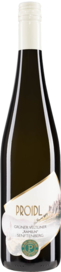

Kremstal DAC
A mid-range Veltliner just as it ought to be: crisp, juicy & refreshing. Fine aromas of stone fruit and melon, plenty of peppery spice; nicely balanced on the palate with a harmonious but concentrated finish.
Vinification: Hand-harvested early–mid October; half of the clusters are destemmed and left on the skins for 6–8 hours of maceration; fermentation in stainless steel before maturing for four months on the fine lees.
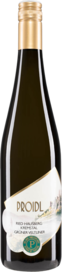

Kremstal DAC
Elegant Veltliner with a seductive scent of ripe yellow fruit. Succulent on the finish with peppery spice of the finest sort. Overall a model Veltliner, which can serve as a universal companion to fine dining on account of its excellent balance.
Vinification: Harvested by hand in mid-October; half of the grapes are destemmed and left on the skins for 6–8 hours of maceration. Fermentation in stainless steel and subsequent maturing for four months on the fine lees.
Kremstal DAC
Elegant Veltliner with a seductive scent of ripe yellow fruit. Succulent on the finish with peppery spice of the finest sort. Overall a model Veltliner, which can serve as a universal companion to fine dining on account of its excellent balance.
Vinification: Harvested by hand in mid-October; half of the grapes are destemmed and left on the skins for 6–8 hours of maceration. Fermentation in stainless steel and subsequent maturing for four months on the fine lees.
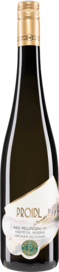

Kremstal DAC Reserve
Vines forty-five years of age yield this pithy and exemplary Veltliner, with its beautiful peppery spice. Distinctive, fine and clear Veltliner fruit expresses the character of this wine, all the way from the inviting nose to the long, robust finish. Élevage in a large wooden cask, with a view toward long aging potential.
Vinification: The physiologically fully-ripened grapes from old vines are harvested by hand in several passes from mid-October to the beginning of November; a portion of the grapes are destemmed and left on the skins for 10–12 hours of maceration. Slow fermentation on its own yeasts in large oak casks and stainless steel gives the wine its aromatic complexity. After fermentation, extended maturation on the lees before bottling in late August.
Awards
Falstaff: 94 Punkte Weinwisser: 18+ Top im Kremstal James Suckling: 95 Punkte
Vines forty-five years of age yield this pithy and exemplary Veltliner, with its beautiful peppery spice. Distinctive, fine and clear Veltliner fruit expresses the character of this wine, all the way from the inviting nose to the long, robust finish. Élevage in a large wooden cask, with a view toward long aging potential.
Vinification: The physiologically fully-ripened grapes from old vines are harvested by hand in several passes from mid-October to the beginning of November; a portion of the grapes are destemmed and left on the skins for 10–12 hours of maceration. Slow fermentation on its own yeasts in large oak casks and stainless steel gives the wine its aromatic complexity. After fermentation, extended maturation on the lees before bottling in late August.
Awards
Falstaff: 95 Punkte Weinwisser: 18/20 James Suckling: 94 Punkte Gault Millau Vinaria: 4 Sterne
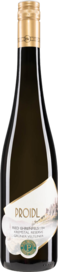

Kremstal DAC Reserve
Complex fruit with subtle depth. An athletic style of Veltliner with juice and power. Plenty of sweet extract, spicy terroir-Veltliner characterised by salty minerality. Veltliner produced via spontaneous fermentation in a large wooden cask.
Vinification: The physiologically fully-ripened grapes are harvested by hand in several passes from mid-October to early November; some of the grapes are destemmed and left on the skins for 10–12 hours of maceration. The wine’s character is determined by the slow fermentation with ambient yeasts in large oak casks and stainless steel. After fermentation, extended maturation on the lees until bottling in late August.
Awards
Falstaff: Cupsieger Weinwisser: 18/20 James Suckling: 95 Gault Millau Vinaria: 5 Sterne Vinous: 94 - 96
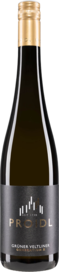

Folks can expect the unexpected!
Vinification: Perfect, fully ripened grapes from Ried Pellingen are selected by hand from mid-October to early November. Old vines and minimal yields. A portion of the grapes is destemmed and left on the skins for 10–12 hours of maceration. The leisurely fermentation in 500-litre acacia barrels with ambient yeasts gives the wine its special style & character. Batonage (yeast stirring) is employed in a focussed manner to develop the wine’s full potential. It can take up to 18–24 months before the wine – according to our taste – is ready for bottling). Minimal movement, gravity feed & lots of time! Limited!
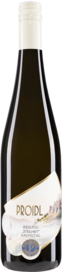

Kremstal DAC
Lovely aromatic profile of apricot and peach. On the palate, a fine balance between fruit and mineral acidity, which gives the wine its distinctive and vibrant profile all the way into the invigorating finish.
Vinification: Hand-harvested from the beginning of October to early November; whole-cluster pressing accentuates the precise Riesling fruit. Fermentation in stainless steel, then maturing for three months on the fine lees in large oak casks and stainless steel.
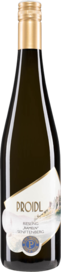

Kremstal DAC
Classic savoury & racy Riesling with concentrated flavours of stone fruit. Typical mineral notes of the ‘granitic site’ Rameln impart distinctiveness and expression to the wine.
Vinification: Harvested by hand in mid-October; a portion of the grapes is destemmed and left on the skins for 6–8 hours of maceration. Fermentation in stainless steel, then maturing for four months on the fine lees in a large wooden cask and stainless steel.
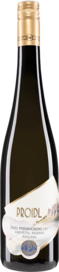

Kremstal DAC Reserve Erste Lage
Individualistic terroir-wine from a steep slope of mica schist – by no means a wine for vinological techno-fans! Glistening golden yellow, apricot fruit packed in salty minerality and invigorating acidity give the wine its weightless elegance and grace, despite its substantial power. This wine wins the best prognosis for future enjoyment (if you do not drink it before!)
Vinification: The physiologically fully-ripened grapes are harvested by hand in several passes from the end of October to the beginning of November; some of the grapes are destemmed and left on the skins for 10–12 hours of maceration. Slow fermentation in stainless steel promotes aromatic intensity, while the slate soil gives the wine its youthful severity and thus its great Riesling potential. After fermentation, aging in wooden cask with batonage (stirring the yeast) and extended maturing on the lees before bottling at the end of August.
Awards
Falstaff: 95 Punkte Weinwisser: 18+ James Suckling: 96 Punkte Vinous: 94 - 96
Kremstal DAC Reserve Erste Lage
Mature, fragrant, clear-as-a-bell nose, beautiful mineral bite, exciting interplay of extract and acidity in a powerful finish. Very ripe Riesling-elixir with great aging potential.
Vinification: The physiologically fully-ripened grapes are harvested by hand in several passes from the end of October to the beginning of November. Some of the grapes are destemmed and left on the skins for 10–12 hours of maceration time. The extended fermentation in stainless steel promotes aromatic intensity. The barren paragneiss terraces give the wine a taut, demanding acidity, along with the aspiration to greatness. After fermentation, extended maturing on the lees before bottling in late August.
Awards
Falstaff: 96 Weinwisser: 18+/20 James Suckling: 97 Gault Millau Vinaria: Vinous: 95 - 97
Kremstal DAC Reserve Erste Lage
Individualistic terroir-wine from a steep slope of mica schist – by no means a wine for vinological techno-fans! Glistening golden yellow, apricot fruit packed in salty minerality and invigorating acidity give the wine its weightless elegance and grace, despite its substantial power. This wine wins the best prognosis for future enjoyment (if you do not drink it before!)
Vinification: The physiologically fully-ripened grapes are harvested by hand in several passes from the end of October to the beginning of November; some of the grapes are destemmed and left on the skins for 10–12 hours of maceration. Slow fermentation in stainless steel promotes aromatic intensity, while the slate soil gives the wine its youthful severity and thus its great Riesling potential. After fermentation, aging in wooden cask with batonage (stirring the yeast) and extended maturing on the lees before bottling at the end of August.
Awards
Falstaff: 95 Weinwisser: James Suckling: 95 Gault Millau Vinaria: Platz 1 Vinous: 94 - 96
Kremstal DAC Reserve Erste Lage
Mature, fragrant, clear-as-a-bell nose, beautiful mineral bite, exciting interplay of extract and acidity in a powerful finish. Very ripe Riesling-elixir with great aging potential.
Vinification: The physiologically fully-ripened grapes are harvested by hand in several passes from the end of October to the beginning of November. Some of the grapes are destemmed and left on the skins for 10–12 hours of maceration time. The extended fermentation in stainless steel promotes aromatic intensity. The barren paragneiss terraces give the wine a taut, demanding acidity, along with the aspiration to greatness. After fermentation, extended maturing on the lees before bottling in late August.
Awards
Vinaria: Top20 Österreich Falstaff: 95 Punkte Weinwisser: 18 James Suckling: 98 Punkte Vinous: 95 - 97
Kremstal Reserve Erste Lage
A concentrated and dense, almost introverted wine made from perfect clusters. Constructed without any ornamentation or hastiness, for connoisseurs who like to leave the vinous beaten-path and go exploring.
Vinification: The physiologically fully-ripened grapes are harvested by hand in several passes at the end of October and beginning of November. A portion of the grapes is destemmed and left on the skins for 10–12 hours of maceration. The leisurely fermentation with ambient yeasts in stainless steel promotes a multilayered expressivity. Bronzite, marble, paragneiss & amphibolite give the wine its great complexity and individuality. After fermentation, extended maturing on the lees in a large wooden cask before bottling at the end of August.
Awards
Falstaff: 2. Platz Weinwisser: 18,5+/20 James Suckling: 96 Gault Millau Vinaria: Vinous: 96 - 98
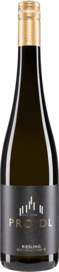

Folks can expect the unexpected!
Vinification: Perfect, fully ripened grapes from Ried Hochäcker are selected by hand from mid-October to early November. Old vines, minimal yields. Some of the grapes are destemmed and left on the skins for 10–12 hours of maceration. Slow fermentation in 500-litre oak barrels with ambient yeasts gives the wine its special style & character. Batonage (yeast stirring) is employed in a thought-out manner to develop the wine’s full potential. It can take up to 18–24 months before it – according to our taste – is ready for bottling). Minimal movement, gravity feed & lots of time! Limited!
Awards
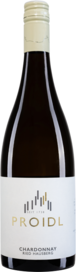

Ried Hausberg
Ausbau Perfekt, vollreife Trauben aus der Riede Hausberg werden Mitte Oktober – Anfang November per Hand selektiert. Minimaler Ertrag. Die Trauben werden gerebelt und für 10 – 12 Stunden auf der Maische belassen (Maischestandzeit). Die langsame Vergärung in 500l Eichenholzfässern mit traubeneigenen Hefen verleiht dem Wein seinen besonderen Stil & Charakter. Batonage (Hefeaufrühren) wird gezielt eingesetzt, um das volle Potenzial zu entfalten. Bis zur Abfüllung kann es (nach unserem Geschmack) schon einmal 18 - 24 Monate dauern. Minimale Bewegungen, Schwerkraft & viel Zeit! EN
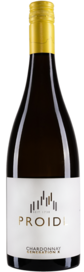

New Releases!
You can expect the unexpected!
Vinification Perfect, fully ripe grapes from the Riede Hausberg are selected by hand in mid-October – early November. Minimum yield. The grapes are destemmed and left on the mash for 10 - 12 hours (maceration time). The slow fermentation in 500l oak barrels with the grape's own yeast gives the wine its special style and character. Batonage (stirring up the yeast) is used in a targeted manner to develop the full potential. It can (according to our taste) take 18 - 24 months until bottling. Minimal movements, gravity & lots of time!
Strictly limited!
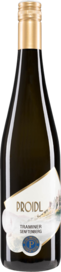

Gewürztraminer, Gelber Traminer & Roter Traminer were planted in the upper, stony part of the Ried Pellingen. A fully ripened and opulent style coupled with the typical, mineral Senftenberger acidity make for a very complex Traminer that is both typical and exemplary. For aficionados of this ancient and very expressive noble variety.
Vinification: Harvested by hand from mid-October to mid-November; the highly aromatic grapes (Gewürz- Gelber & Roter Traminer) are destemmed and left on the skins for 2–4 days of maceration. Small quantities are fermented on the skins. The wine evolves its character from slow fermentation in large wooden cask & stainless steel with ambient yeasts. After fermentation, extended maturing on the lees before bottling in late August
Gewürztraminer, Gelber Traminer & Roter Traminer were planted in the upper, stony part of the Ried Pellingen. A fully ripened and opulent style coupled with the typical, mineral Senftenberger acidity make for a very complex Traminer that is both typical and exemplary. For aficionados of this ancient and very expressive noble variety.
Vinification: Harvested by hand from mid-October to mid-November; the highly aromatic grapes (Gewürz- Gelber & Roter Traminer) are destemmed and left on the skins for 2–4 days of maceration. Small quantities are fermented on the skins. The wine evolves its character from slow fermentation in large wooden cask & stainless steel with ambient yeasts. After fermentation, extended maturing on the lees before bottling in late August
lieblich
Gewürztraminer, Gelber Traminer & Roter Traminer were planted in the upper, stony part of the Ried Pellingen. A fully ripened and opulent style coupled with the typical, mineral Senftenberger acidity make for a very complex Traminer that is both typical and exemplary. For aficionados of this ancient and very expressive noble variety.
Vinification: Harvested by hand from mid-October to mid-November; the highly aromatic grapes (Gewürz- Gelber & Roter Traminer) are destemmed and left on the skins for 2–4 days of maceration. Small quantities are fermented on the skins. The wine evolves its character from slow fermentation in large wooden cask & stainless steel with ambient yeasts. After fermentation, extended maturing on the lees before bottling in late August
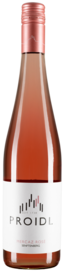

Qualitätswein
Fresh and juicy – rosé as it should be! Vinified from Merlot, Cabernet Sauvignon & Blauer Zweigelt, to provide easy enjoyment.
Vinification: Hand-harvesting from mid-September to mid-October. One portion of the grape material (Cabernet & Merlot) is destemmed and left on the skins for 10–12 hours of maceration. Fermentation in stainless steel and subsequent three months maturing on the fine lees.
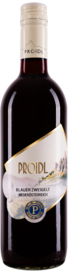

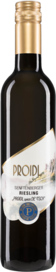

If you are familiar with the wines of the Mosel, Saar & Ruwer – which we appreciate very much – you will know exactly what we mean! In some vintages when the structural acidity is right, wines with this invigorating relationship between sugar and acidity, without appreciable alcohol, can also be produced here in cool Senftenberg. Buoyant and elegant wines with the best aging potential.
Vinification: At harvest-time a selection is made of the ripest berries, especially those without a great deal of botrytis. Only the highest-elevation vineyards come into play here, to obtain the characteristic acidity. Long, cool fermentation for up to five months, followed by filtration before bottling.
Awards
VINARIA 5 Sterne Top Wein WEINpur / Top 10 Weingüter / 5 Gläser




Medium golden yellow. Intense aromas of stone fruit, fine notes of honey, ripe pineapple and passion fruit, yellow currants – sweet and lovely. Very complex & creamy texture, with apricot & yellow tropical fruit. Racy, well-integrated acidity. Mineral finish, spicy fruit in the aftertaste.
Great aging potential. A Riesling jewel.
Vinfication: At harvest a selection was made of the best, perfect botrytis berries. Whole cluster pressing, then extended fermentation in stainless steel.
Awards
James Suckling: 98